Bermudagrass
Scientific Name: Cynodon dactylon (L.) Pers.
Weed Family: Poaceae
Description
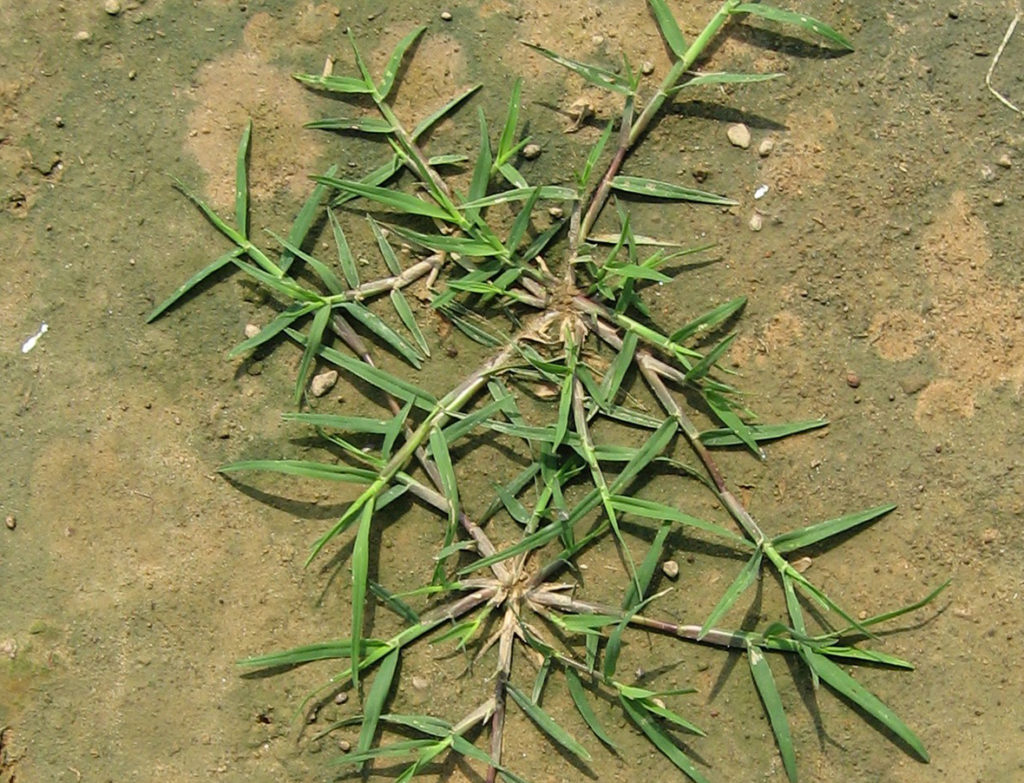
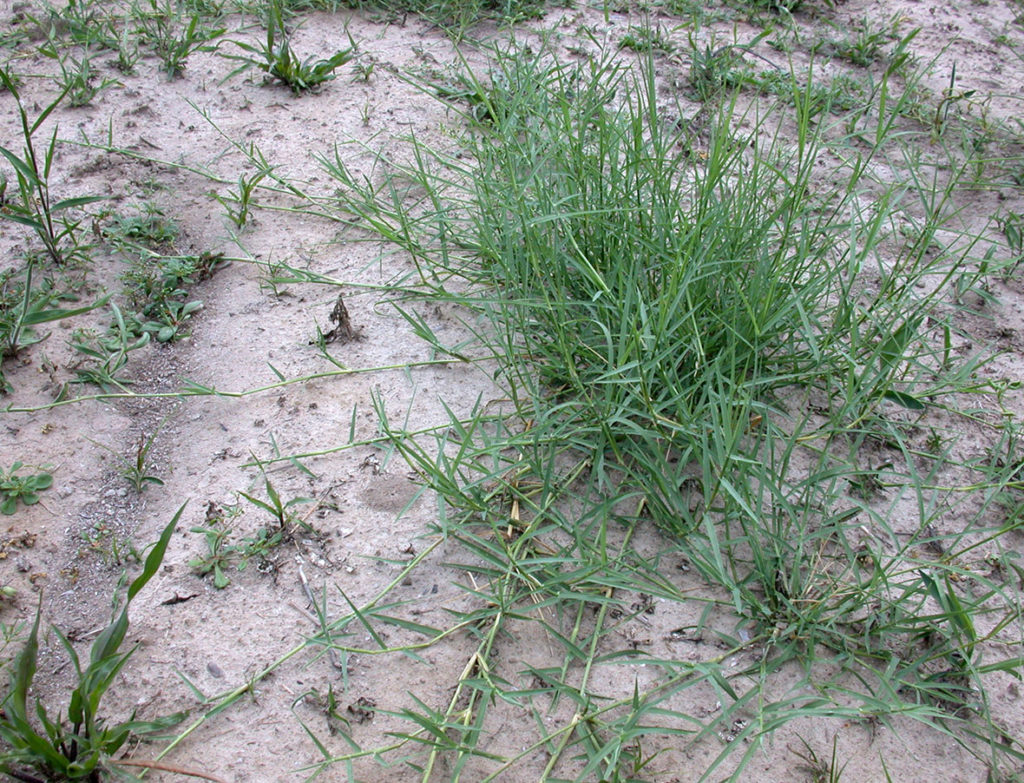
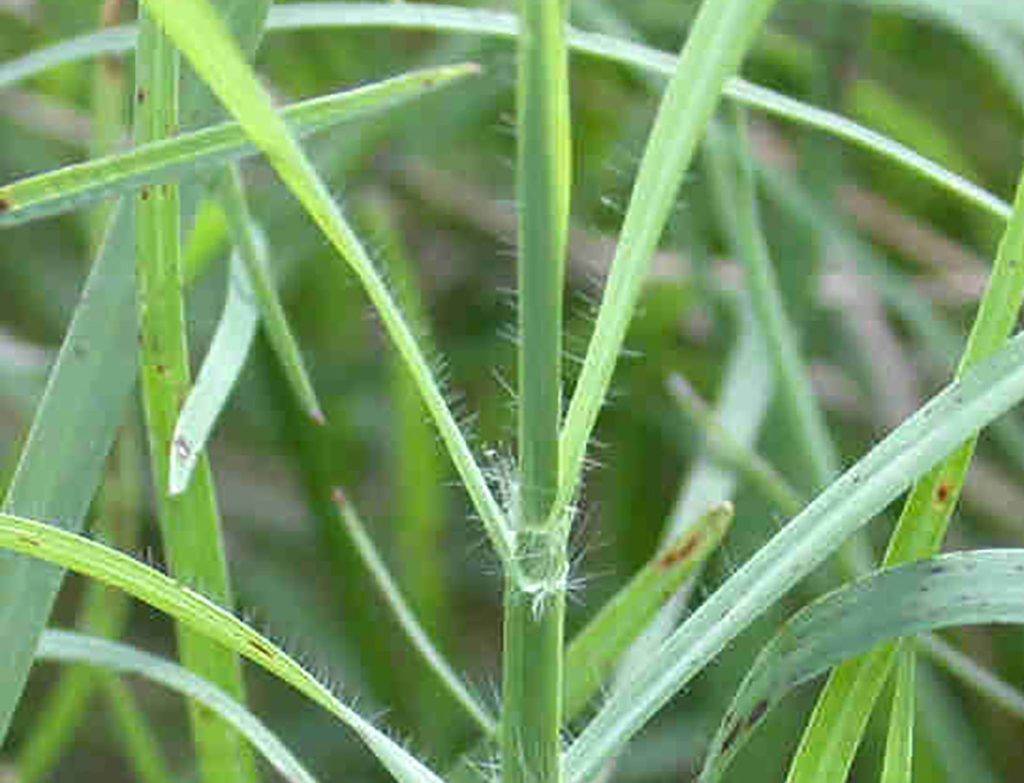
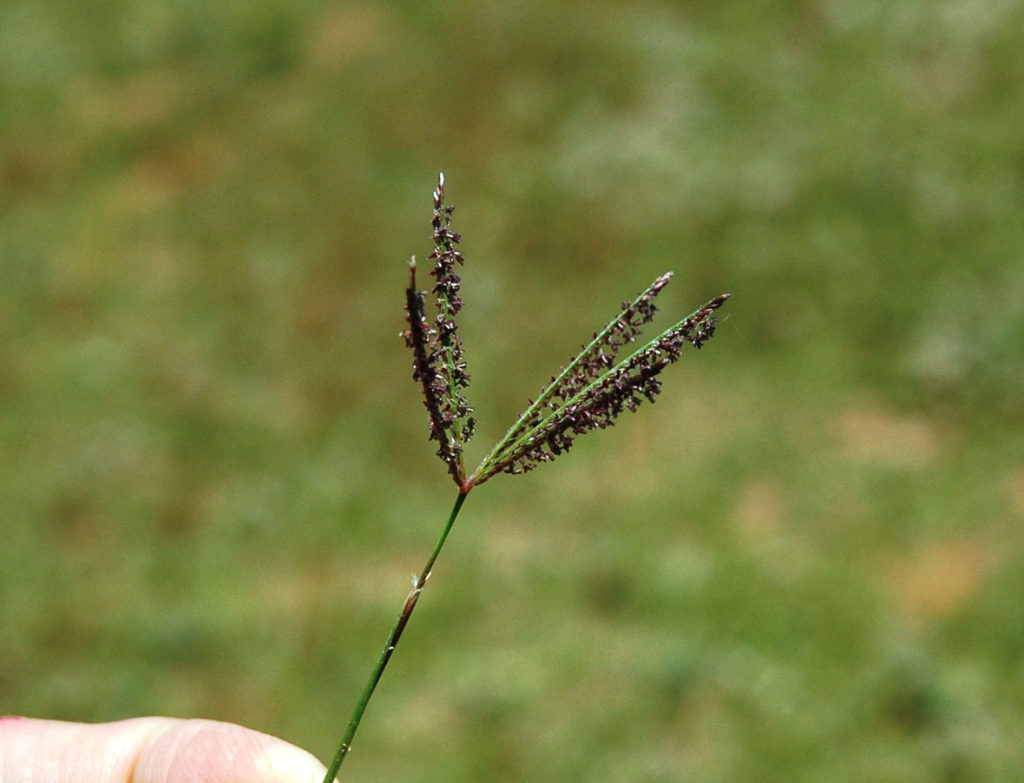
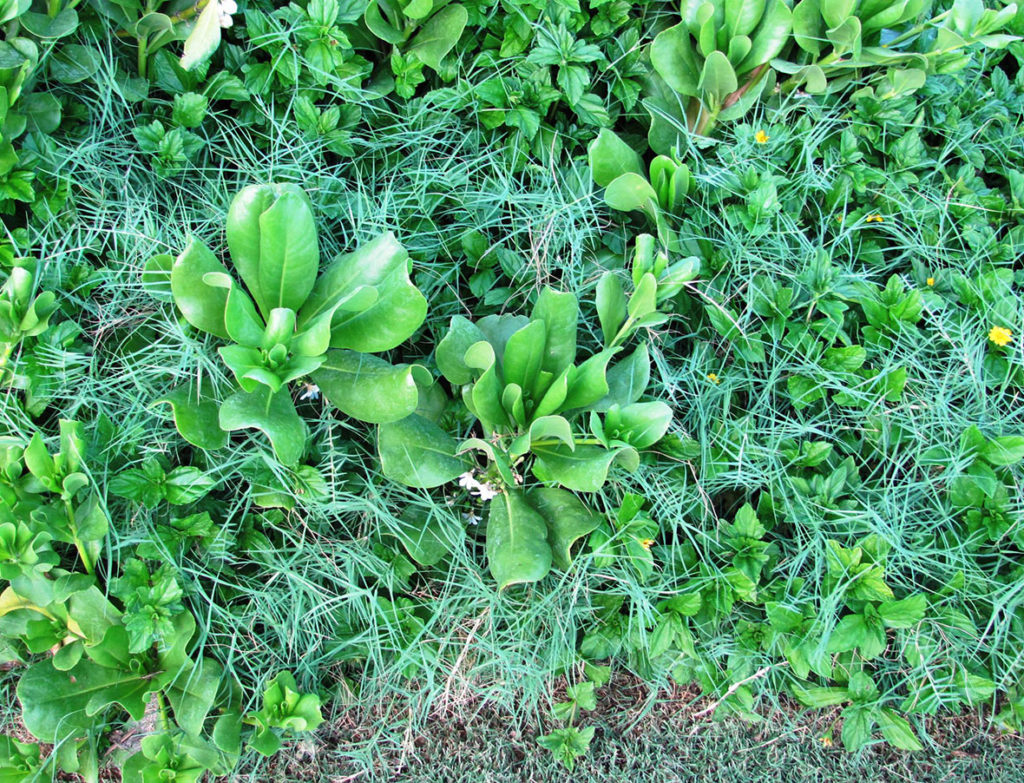
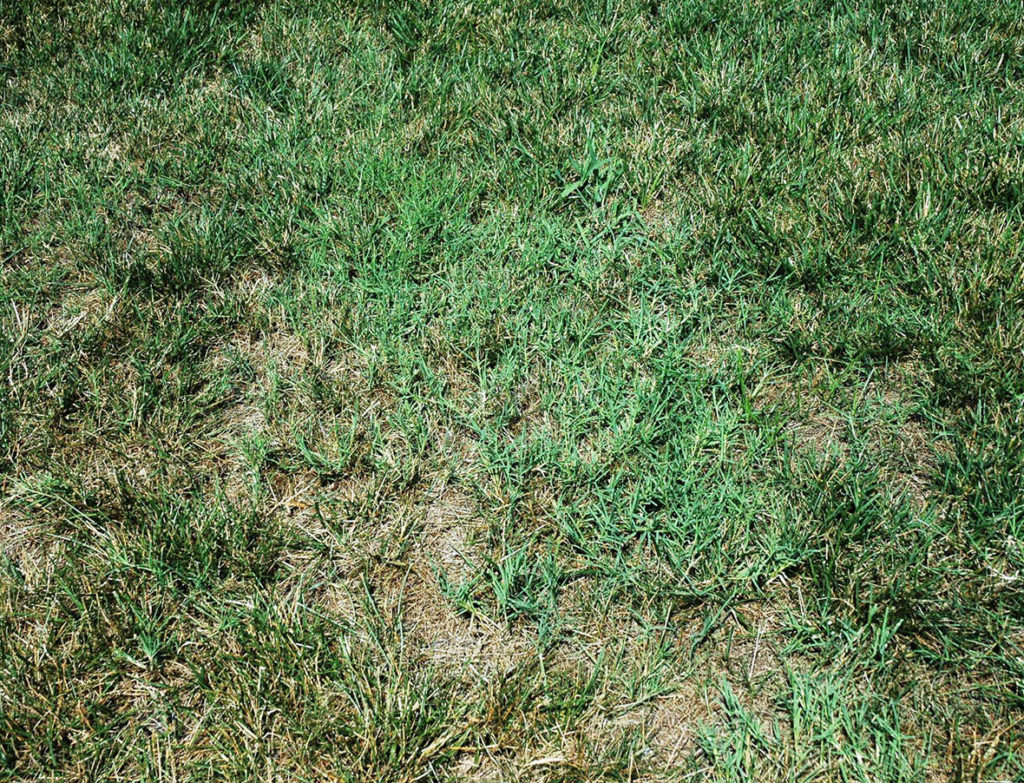
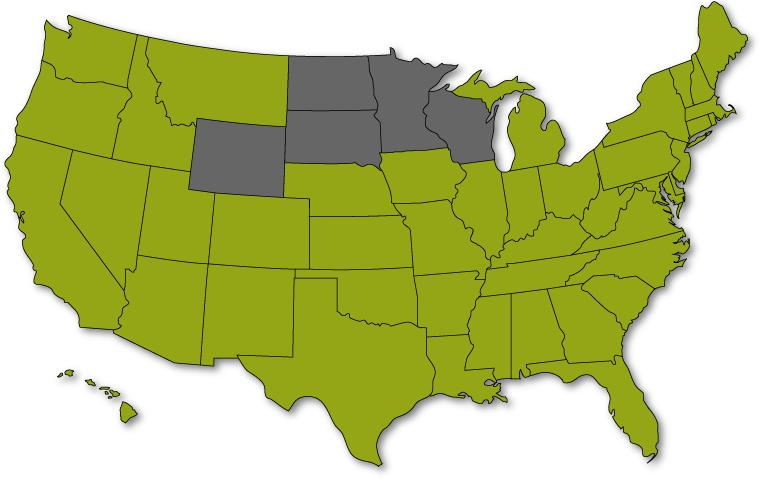
Bermudagrass is a creeping perennial warm-season (C-4) turfgrass. Bermudagrass spreads by both rhizomes and stolons. Bermudagrass is grown as a fine turf throughout the transition zone and in the South. The ligule consists of a fringe of hair. Auricles are absent. The leaves of bermudagrass are folded in the bud, and the sheath is strongly compressed. The leaf is short, approximately 1/8-inch wide with rough edges. The roots of bermudagrass are deep and fibrous allowing it to be highly drought tolerant. The stolons root at the nodes forming a thick dense mat. The seedhead of bermudagrass consists of 3 – 7 finger-like spikes. Seedheads are present during the summer months. Common bermudagrass can spread by seed, but hybrid varieties only spread by vegetative means. Bermudagrass is found on open sunny areas. Bermudagrass does not grow in the shade. It can be found in turf, landscapes and in most cultural crops. Bermudagrass is very tolerant of low mowing, and can be found on both dry and wet soils. Bermudagrass thrives in southern areas of the United States, south into the tropics. It can also be found in northern sections of the transition zone.
Herbicide Use
For treatment of bermudagrass in landscape beds, a grass herbicide such as fluazifop-p-butyl may be sprayed over-the-top of many ornamental species; or a non-selective herbicide such as glyphosate may be spot-sprayed taking care that the spray does not contract flowers and other ornamentals. Fluazifop-p-butyl is also recommended for selective removal of bermudagrass from zoysiagrass and tall fescue turf species. Siduron can be used to remove bermudagrass from bentgrass greens on golf courses. For renovation of large turfgrass areas or landscape beds, make a broadcast application of a non-selective post-emergent herbicide.
Distribution
Germination Dates
Zone-5: June
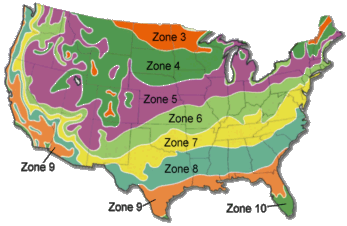
Zone-6: May-June
Zone-7: May-June
Zone-8: April-May
Zone-9: April-May
PBI-Gordon Product Recommendations